Carra Santos
Designer, Researcher & Learning Advisor
Understanding before action
My work connects global and national ambitions with the potential of cities, neighbourhoods and the people who shape them.
Drawing on social science, creativity and design, I work across sectors and disciplines, with projects spanning climate action, public health, enterprise design and innovation.I use research, design and learning to help people strengthen or revisit the discovery phase of a project: developing a robust understanding of the situation, questioning assumptions and establishing a robust direction of travel.My work includes projects with the World Health Organization, Design Council and University of Bath, alongside local authorities, design practices and community-led initiatives.
Work through a difficult question
I create the space to think carefully about a real challenge, with support to explore the situation from different perspectives. I work with leaders and small teams who are exploring a new idea, encountering unexpected challenges or trying to work out what needs attention before moving forward.Through a series of focused conversations and learning sessions, we examine the question together, drawing on relevant evidence, research and creative methods as appropriate.The engagement is shaped around your particular situation and concludes with a clearer account of what you've learned, the questions that remain open and the possibilities worth pursuing.
Selected projects
My work spans different scales and contexts, from international public health communication to neighbourhood climate action. Each project starts with a particular question about what needs to be understood, explored or reconsidered, for example:
What people say
“Carra is a driven, intelligent and curious colleague - when working with us at the Design Council, she helped to deliver a complex project with a range of stakeholders. She pushed participants to think deeper about the work they were aiming to deliver, and ultimately created a more meaningful process. This, in turn, led to longer-lasting outcomes.“
— Emily Whyman, Senior Programme Manager, Design Council
“I would describe Carra as rigorously creative, in that she combines systems thinking and critical thinking with the spontaneity needed for new ideas. Not many people can do this. She questions everything and because she's also a terrific person, connects with people on many levels. It's an impressive combination of skills for change-making. Working with Carra definitely made me a better designer.”
— Darren Evans, Strategic Designer and Design Council Expert
“Carra brought insight, thoughtfulness, and a deep sense of curiosity to the work we did together at the WHO on tobacco control. She approaches complex challenges with care and intellectual rigor, always seeking to understand the deeper dynamics at play. At the same time, she brings real joy and warmth to a team - Carra made a lasting impact on the work and on me personally.“
— Dr Hebe Gouda, Project Officer, World Health Organization
Talks, writing & research
Research Contributor, 10th WHO Report on the Global Tobacco Epidemic, WHO, 2025
“A Different Way”, online talk, RSA South West Coffeehouse, 2024
“Design, differently with Communities”, visioning script and presentation, Design Council/Design for Planet, 2023
“Doughnut Economics: Can Bath Thrive like Amsterdam?”, public lecture, Bath Royal Literary & Scientific Institution, 2023
Lead Author & Book Launch Presenter, “Crafting Connections with Clothing: Values, Influence and Relationships”, Routledge, 2023
MSc Dissertation (Distinction), “Communicating Degrowth”, University of the West of England, 2021
Researcher, Author & Presenter, “All Sewn Up: Dismantling Fast Fashion Consumption as a Social Practice”, Sustainable Innovation Conference, 2021
Independent research & creative practiceAlongside commissioned work, I develop independent research and learning projects that extend my interests in place, social change and how people work together.Civic Sketchbook A creative practice for understanding people, place and everyday life on the ground through walking, photography, writing and creative interpretation.Bridge to Belonging A research method connecting social, environmental and economic perspectives to support community cohesion at a neighbourhood scale. Developed through my MSc research, it brings hyperlocal priorities together into a shared evidence base and a set of guiding principles for sustainable development.Pre-Collaborative City An emerging learning framework exploring what needs to be understood before different perspectives are brought together to shape change.
Earlier work: Creative Learning Environments
Earlier in my career, I worked through spatial and exhibition design, exploring how physical environments could challenge assumptions and make new ideas tangible.The following projects were commissioned by 100% Design for London Design Festival between 2013 and 2015. They reflect an approach that still runs through my work today: using design to explore questions, test possibilities and help people encounter unfamiliar ideas in tangible ways.
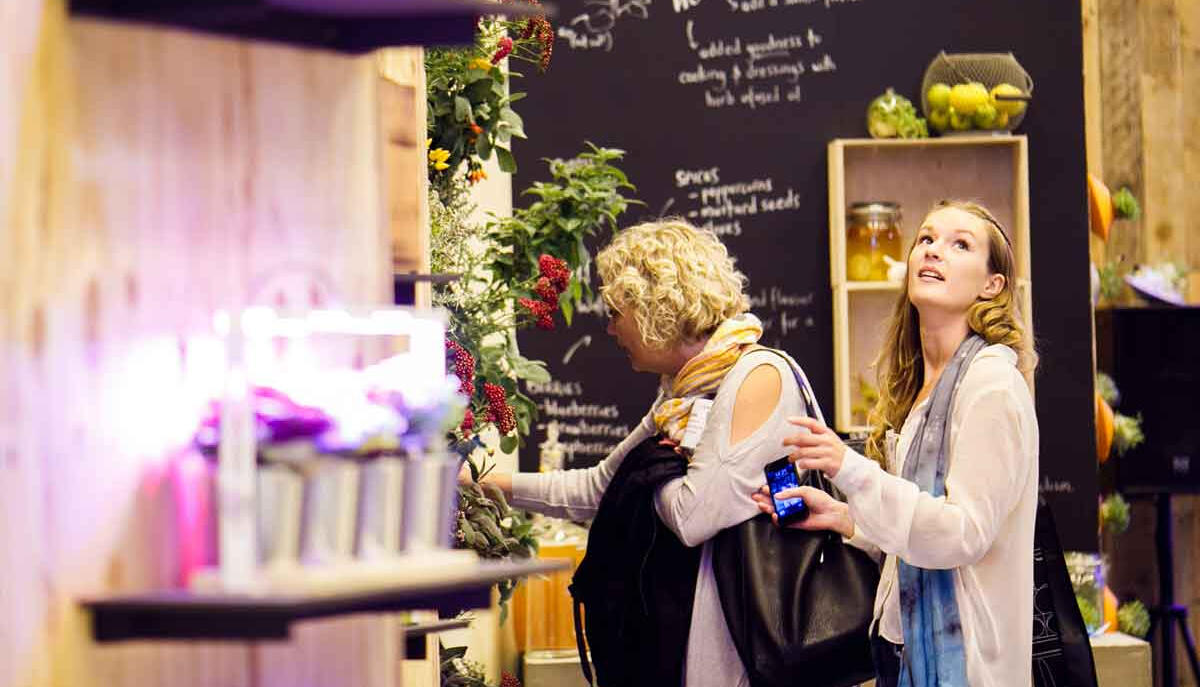
Farm Kitchen
What might the future kitchen feel like if food growing, cooking and living were treated as connected activities?A 272m² immersive design installation exploring urban food growing, smaller homes and changing relationships with food. Challenging the trend towards the future kitchen as a technology-led laboratory, the project brought planting, cooking, social space and sensory experience together.
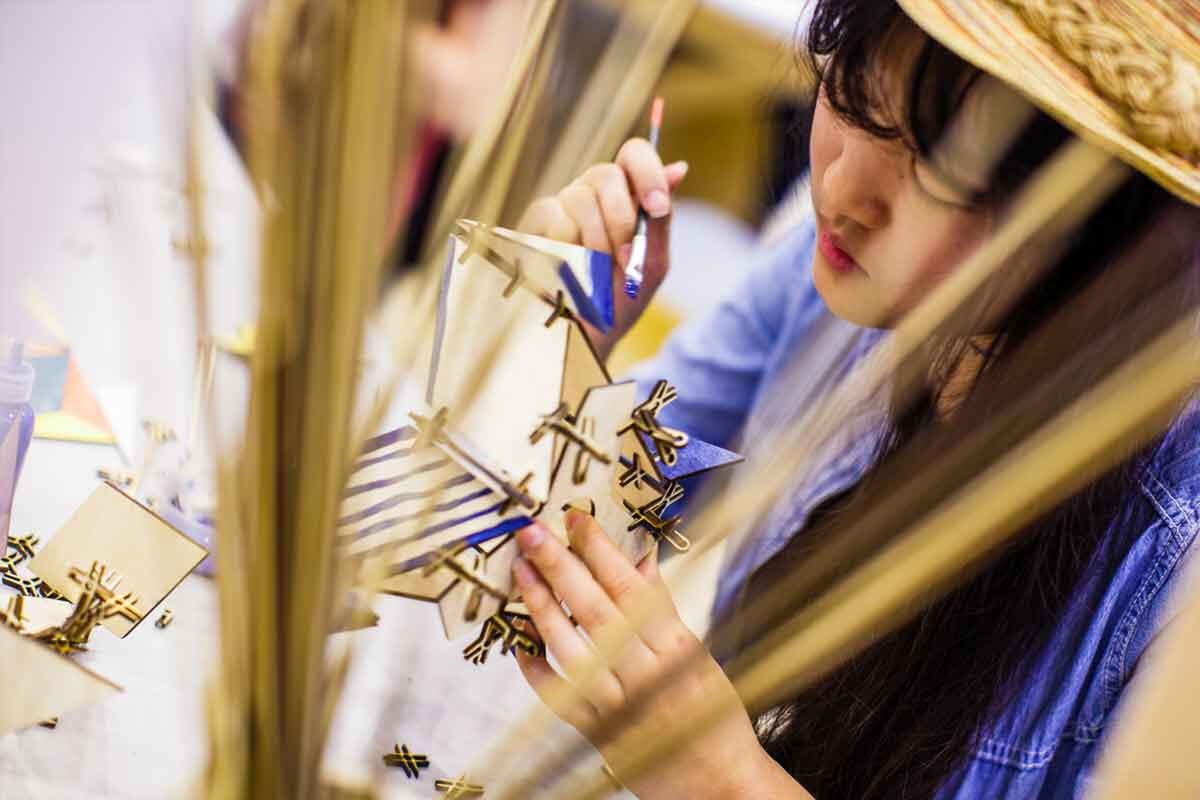
Maker Carousel
What happens when making, repairing and crafting are understood as part of everyday life alongside new technologies?An 81m² immersive makerspace exploring the changing relationship between people, making and technology. Traditional craft, repair, prototyping, digital fabrication and smart technology were brought together to show making as an active, creative and social practice.
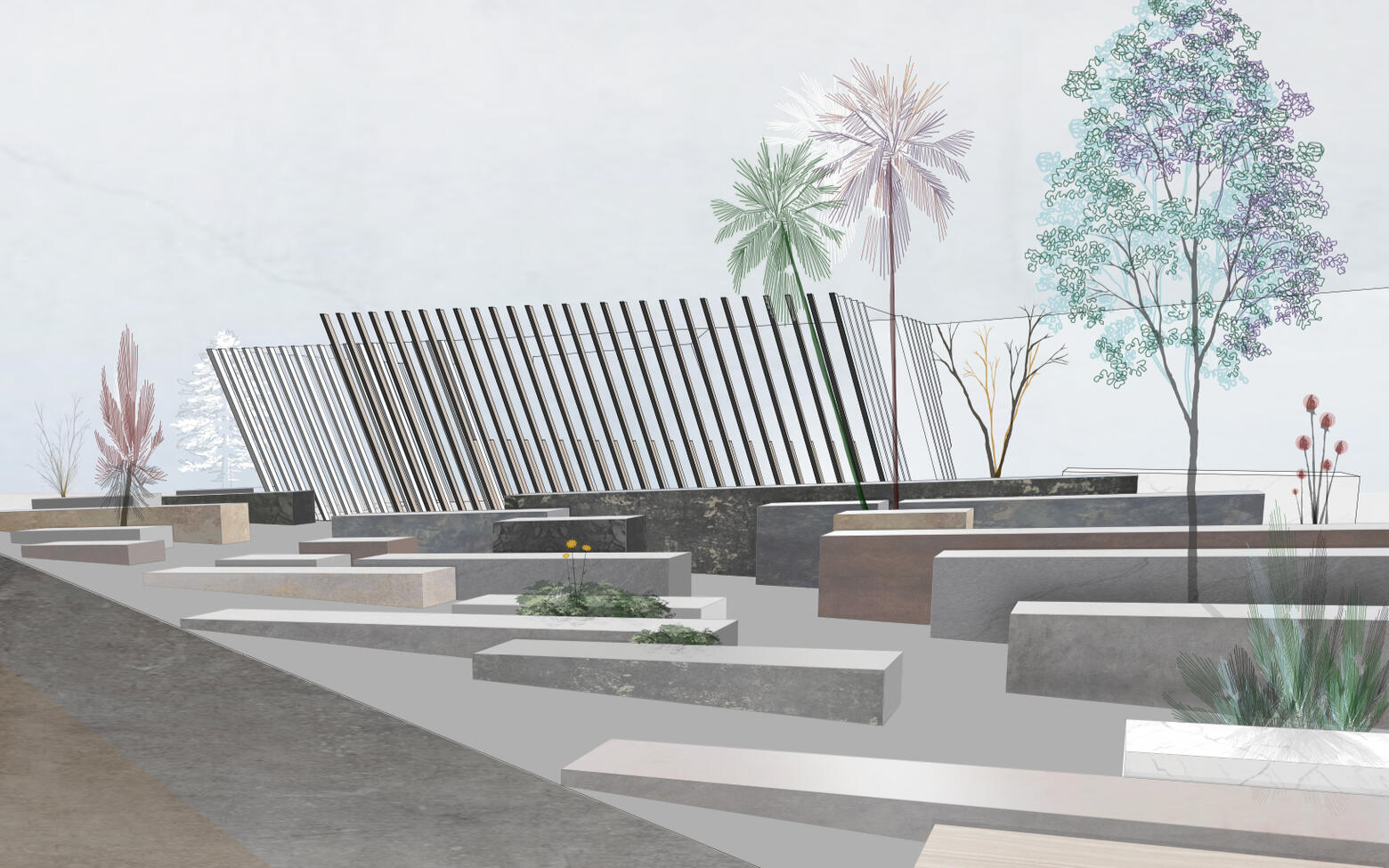
Mattergarden
How might we change our practices if we remember the materials we use for the built environment come from the natural world?A 160m² immersive design installation exploring materials, making and our working relationship with nature. The environment combined emerging products and processes with activities involving natural dyes and juices from the same raw materials, making connections between the built and natural world visible and tangible.
“A huge boost to the quality of design thinking at the show. Carra's approach to every project is in-depth, practical and passionate; working with her is always a very pleasurable experience and her ability to make things happen both creatively and practically is invaluable.”
— William Knight, former Show Director, 100% Design at London Design Festival
About
I began my career in innovation and design, founding and leading an independent practice spanning interior, furniture and spatial design, developing research-led projects exploring materials, making, emerging technologies and design in the built environment.Over time, I became increasingly interested in the evidence and wider systems behind the ideas I was developing. I completed an MSc in Sustainable Development in Practice with distinction in 2021, strengthening the research and analytical side of my practice.Today, I bring these strands together through research, design and learning work across design, public health, climate, place and social innovation.I’m particularly interested in what needs to be understood before an idea, message or intervention can work in a particular context.The more we understand the context, the clearer the next step becomes.
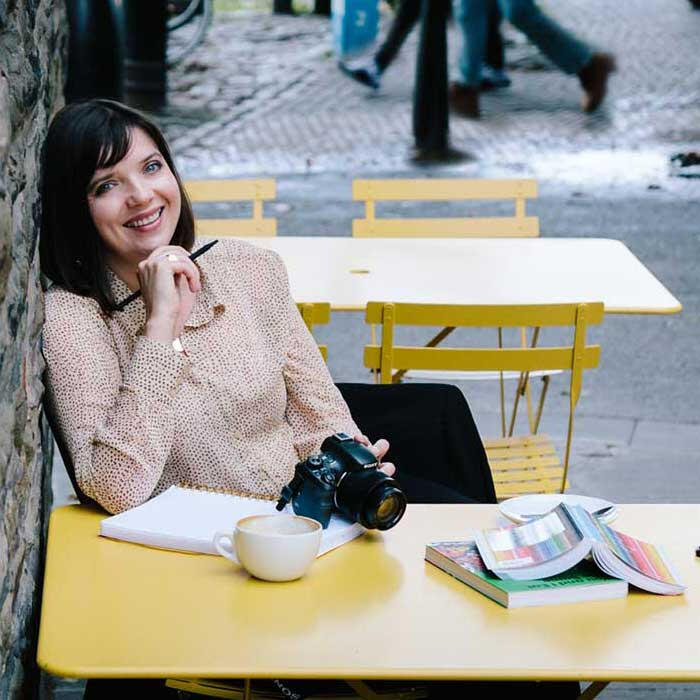
Pre-Collaborative City
What needs to be considered before we ask people to work together?
Place-based collaborations often begin by bringing people together around a shared ambition. But people arrive with different experiences, knowledge, priorities, language and assumptions about the situation they are trying to change.Recognising these differences - and considering what might be missing from our own view - can create better conditions for people to develop shared understanding together.
Some of the most important work may happen before everyone gets in the room.
I've been developing Pre-Collaborative City - a body of insights, methods and practical tools exploring what needs to be considered before introducing broader ideas, frameworks and ambitions into a local context, and before asking different sectors, disciplines and perspectives to work together.The thinking currently explores six areas:
01 / Arriving with a question, not a solution
Exploring why collaborative change begins with considering context, recognising different forms of knowledge and being willing to ask: “What might we be missing?”02 / Developing shared language and definitions
Exploring how words carry different meanings, why assumptions create misunderstanding, and how shared language creates the foundation for collaboration.03 / Finding better entry points into conversations
Exploring how to begin conversations from what already matters to people, rather than only from what matters most to us.
04 / Recognising the meanings already in place
Learning to notice the stories, identities, histories and relationships that already exist within places and communities before attempting to change them.05 / Seeing what makes change possible
Exploring how behaviours emerge from wider systems, and how change becomes possible by understanding the conditions around them, rather than relying on good intentions alone.06 / Learning to see before you start
Practical activities to help develop curiosity, observation and contextual understanding before considering how to engage.
I'm looking to connect with people working in this territory.
If you design, lead or support collaborative responses to complex place-based social and environmental challenges, I'd love to hear from you.I'm particularly interested in connecting with people who recognise the value of doing more of the thinking before getting everyone in the room - whether you're working in local government, research, design, academia, community development or elsewhere.I'm offering 30-minute knowledge-sharing conversations as a way to exchange experiences and perspectives.I'll also be sharing emerging tools, reflections and resources from the project as it develops.Email me or use the form, and I'll get back to you shortly.